Nerium Oleander Flower: Beauty, Uses, and Safety
The Nerium Oleander flower is one of the most recognizable botanical specimens in warm climates, celebrated for its vibrant blooms and resilient nature. Whether viewed as a stunning garden shrub, a subject for macro photography, or a classic element of Mediterranean landscaping, this plant commands attention. Its clusters of pink, white, red, or purple petals against deep green foliage create a striking visual contrast that defines outdoor spaces from late spring through summer. However, engaging with Nerium oleander requires more than just an appreciation for its beauty; it demands an understanding of its specific characteristics, cultural significance, and critical safety considerations.
Understanding the Botanical Profile
At its core, Nerium oleander is an evergreen shrub or small tree belonging to the dogbane family, Apocynaceae. Native to the Mediterranean region and parts of Asia, it has naturalized in many subtropical and tropical areas worldwide. The plant is renowned for its leathery, lance-shaped leaves and showy, fragrant blossoms that appear on woody stems. In botany, it is studied not only for its morphology but also for its complex chemical composition, which includes cardiac glycosides.
For the gardener or landscaper, the oleander’s value lies in its exceptional hardiness. It thrives in poor soil, tolerates salt spray, and withstands drought conditions once established. This resilience makes it a staple for xeriscaping and coastal gardens where other decorative flora might struggle. The bloom cycle is prolific, often providing continuous color when many other garden plants have faded. Whether used as a privacy hedge, a windbreak, or a standalone specimen, the shrub offers structural integrity and year-round green foliage.
Perspectives for Gardeners and Landscapers
For homeowners and professional landscapers, the primary evaluation criteria for Nerium oleander are reliability and aesthetic impact. Beginners often appreciate the plant because it is difficult to kill through neglect. Unlike delicate annuals that require constant watering and fertilizing, mature oleanders are largely self-sufficient. This ease of use allows novice gardeners to achieve a lush, tropical look without extensive horticultural knowledge.
Experienced horticulturists, however, may focus on cultivar selection and pruning techniques. There are dozens of varieties available, ranging from dwarf bushes suitable for containers to towering trees that can reach twenty feet. Professionals evaluate these plants based on growth habit, flower form (single vs. double), and cold hardiness. For commercial properties or public parks, the decision to plant oleander often balances low maintenance costs against the need for high-impact decoration. The ability to mass-plant these shrubs for a uniform background or colorful border makes them economically attractive for large-scale projects.
Yet, the practical application always circles back to safety. Because every part of the plant is toxic, responsible landscaping involves strategic placement. Smart gardeners avoid planting oleander near vegetable gardens, playgrounds, or pet areas. Instead, they utilize it in isolated beds, along highway medians, or in formal park settings where human interaction is minimal and supervised.
Cultivation and Care Priorities
- Sun Exposure: Full sun is essential for maximum blooming. Shaded specimens tend to become leggy with sparse flowers.
- Soil Requirements: Highly adaptable, preferring well-draining sandy or loamy soils but tolerating clay and alkaline conditions.
- Watering: Deep watering during the first growing season establishes roots; thereafter, natural rainfall is often sufficient.
- Pruning: Best performed after flowering to shape the bush and remove dead wood, encouraging fresh stem growth.
Visual Arts and Creative Applications
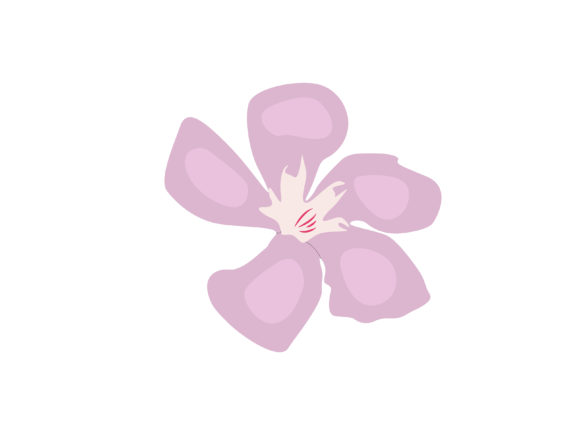
For photographers, artists, and content creators, the Nerium oleander flower represents a rich visual resource. The intricate structure of the blossom, with its propeller-like petal arrangement, serves as an excellent subject for macro photography. Capturing the texture of the petals against the blurred green background of foliage allows creators to explore depth of field and color theory. The bright hues—particularly the vivid pinks and pure whites—pop beautifully against blue skies or dark mulch, making for compelling social media content or stock imagery.
Beyond photography, the aesthetic of the oleander influences design and decor. While fresh cuttings are rarely used in indoor bouquets due to toxicity, the image of the flower is ubiquitous in romantic and Mediterranean-themed branding. Bloggers and marketers covering travel, lifestyle, or botanical topics frequently use oleander visuals to evoke feelings of summer warmth, relaxation, and natural elegance. For these users, the "quality" of the plant is judged by its photogenic attributes: symmetry of the bloom, saturation of color, and the health of the leaf canopy.
Educators and botanical illustrators also find value in the species. It serves as a case study in plant adaptation and defense mechanisms. Teaching about oleander allows for discussions on co-evolution, as certain insects have developed resistance to its toxins. Illustrators appreciate the distinct venation of the leaves and the unique floral anatomy, using the plant to practice rendering organic forms and complex textures.
Safety Considerations and Responsible Use
No discussion of Nerium oleander is complete without addressing its toxicity. This is the single most important factor for consumers, parents, and pet owners evaluating whether this plant fits their environment. All parts of the shrub—leaves, stems, flowers, seeds, and sap—contain potent toxins. Ingestion can be fatal to humans, dogs, cats, and livestock. Even burning the branches can release harmful compounds in the smoke.
This reality does not negate the plant's beauty, but it necessitates informed decision-making. For families with young children or curious pets, safer alternatives like rose, camellia, or hibiscus may be preferable. However, for adult-only households, elevated terrace gardens, or commercial exteriors, oleander remains a viable option when handled with respect. The key is awareness rather than avoidance. Understanding the risks allows enthusiasts to enjoy the plant’s benefits while mitigating potential hazards through proper placement and education.
Evaluating Suitability for Your Needs
Determining if Nerium oleander aligns with your goals requires honest assessment of your specific context. Consider the following factors before introducing this flora to your space:
- Environment: Do you live in a frost-free zone (USDA zones 8-10)? If not, container growing with winter protection is necessary.
- Safety Profile: Can you guarantee that children and animals will not access or ingest the plant? Is the location isolated enough to prevent accidental contact?
- Maintenance Capacity: Are you looking for a set-and-forget shrub, or do you desire a plant that rewards intensive care? Oleander favors the former.
- Aesthetic Goal: Does the bold, tropical style match your existing landscape architecture, or would a softer, cottage-garden variety serve better?
- Legal Restrictions: Check local regulations, as some municipalities restrict oleander planting in public right-of-ways due to toxicity concerns.
The Enduring Appeal of a Complex Shrub
The Nerium oleander flower occupies a unique niche in the world of horticulture and design. It is simultaneously beloved and feared, decorative and dangerous, resilient and demanding of respect. For the professional landscaper, it is a reliable tool for creating durable, colorful landscapes. For the artist, it is a muse of vibrant form and color. For the home gardener, it is a testament to the power of nature to thrive in challenging conditions.
Ultimately, the value of this plant depends entirely on the user’s intent and circumstances. By approaching Nerium oleander with both admiration and caution, diverse audiences can safely incorporate its striking presence into their lives. Whether admired through a camera lens, studied in a botany class, or planted as a robust garden anchor, it remains an iconic symbol of Mediterranean flora. Understanding its dual nature ensures that its beauty can be appreciated responsibly, preserving both the splendor of the bloom and the well-being of those who encounter it.