Mastering Floral Design: The Versatility of Red Peony Watercolor PNGs in Modern Creativity
In the expansive world of digital design and DIY crafting, few elements possess the timeless elegance and emotional resonance of the red peony. When rendered in the delicate, fluid medium of watercolor, this botanical subject transcends simple decoration to become a powerful storytelling tool. For designers, brides, educators, and hobbyists alike, a high-quality Red Peony Watercolor Flower PNG is more than just a digital asset; it is a bridge between traditional artistic expression and modern technological convenience. Understanding how to leverage these isolated floral illustrations can transform ordinary projects into professional-grade creations, whether you are designing wedding stationery, enhancing a blog post, or creating personalized greeting cards.
The Symbolism and Aesthetic Appeal of the Red Peony
To truly utilize red peony watercolor art effectively, one must first understand why this specific flower holds such significance in visual culture. Unlike the rose, which often signifies romantic passion exclusively, the peony carries a broader spectrum of meaning including prosperity, honor, romance, and bashfulness. In many Eastern cultures, it is known as the "king of flowers," representing wealth and good fortune. This depth of symbolism makes the red peony an exceptionally versatile choice for various occasions.
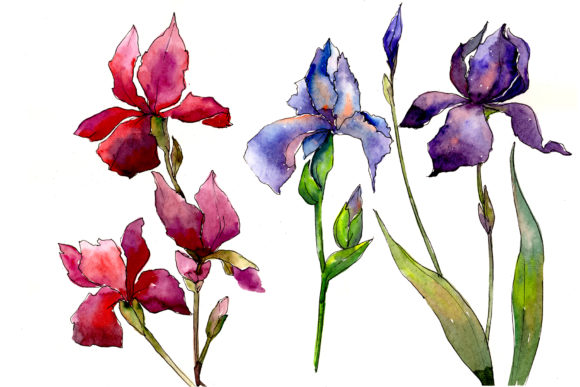
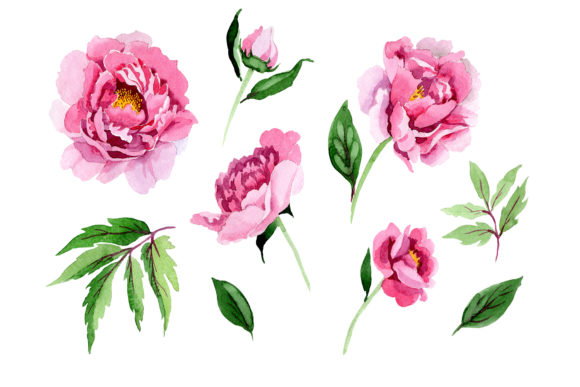
The color red itself adds a layer of complexity. In watercolor form, red is rarely a single flat hue. It shifts from deep crimson to soft blush, capturing the translucency of real petals. This organic variation is what makes aquarelle elements so desirable in digital spaces dominated by sharp vectors and solid colors. The imperfections inherent in watercolor—the bleeding edges, the granulation, and the light washes—introduce a human touch that resonates with viewers on an emotional level. When selecting a floral botanical flower set, look for illustrations that preserve these authentic textures rather than over-processed digital replicas.
Understanding the Technical Advantage of Isolated PNG Files
For beginners and seasoned professionals alike, the file format is just as important as the artistic style. The specification of an isolated PNG is critical for workflow efficiency. PNG stands for Portable Network Graphics, a format that supports lossless compression and, most importantly, transparency.
When a red peony watercolor illustration is provided as an isolated PNG, it means the background has been meticulously removed. There is no white box surrounding the flower. This technical feature offers several distinct advantages:
- Seamless Layering: You can place the flower directly over colored backgrounds, photographs, or textured paper without obscuring the underlying design.
- Non-Destructive Editing: Because the element is separate from the background, you can resize, rotate, and reposition it endlessly without degrading the rest of your composition.
- Print Readiness: High-resolution isolated PNGs maintain crisp edges when printed, ensuring that your physical invitations or posters look as professional as they do on screen.
A common misunderstanding among novice designers is assuming all digital flowers are created equal. Many free resources come with jagged edges or gray halos where the background was poorly erased. Investing in or sourcing highly detailed sets ensures that the delicate watercolor bleed at the petal edges remains intact, preserving the integrity of the hand-painted aesthetic.
Practical Applications Across Creative Disciplines
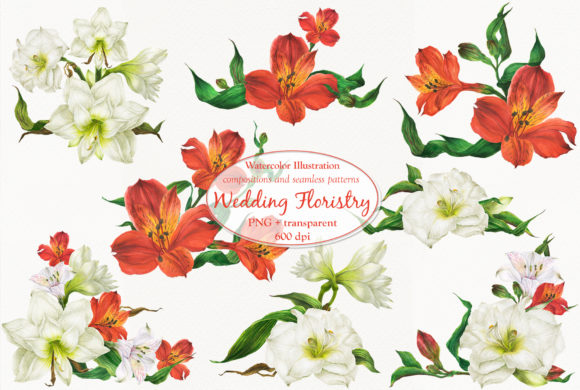
The versatility of a flower peony watercolor set lies in its adaptability. While often associated with weddings, these assets serve a multitude of purposes across different sectors of modern life and business.
Wedding Invitations and Event Stationery
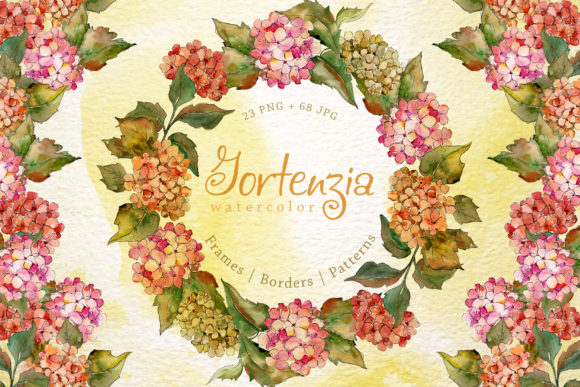
This is perhaps the most classic application. Red peonies are ideal for autumn weddings, Lunar New Year celebrations, or anniversary parties. Using isolated PNGs allows designers to create custom frames and borders. By mirroring and rotating individual flower elements, you can construct a unique floral arch for an invitation suite without needing to paint a new composition from scratch. The ability to mix and match elements from a set of files enables a cohesive look across save-the-dates, menus, place cards, and thank-you notes.
Digital Content and Blogging
In the digital realm, engagement is key. Bloggers and social media managers use botanical watercolors to soften the harshness of web layouts. A red peony can serve as a focal point in a featured image, a decorative divider between text sections, or an overlay for quote graphics. Because PNGs retain transparency, they integrate naturally into website themes regardless of the background color mode (light or dark). Furthermore, using original or licensed high-quality art elevates the perceived value of the content, signaling professionalism and attention to detail.
DIY Crafts and Personalized Gifts
For the maker community, these files are a goldmine. With the rise of home printing and Cricut/Silhouette cutting machines, individuals can produce boutique-quality items at home. Red peony watercolors can be printed onto cardstock for handmade greeting cards, transferred onto fabric for tote bags, or used in scrapbooking. The "ready to print" nature of high-detail files means that even those without advanced painting skills can create heirloom-quality gifts.
Educational and Botanical Illustration
Educators and textbook designers also benefit from these resources. Accurate, highly detailed botanical illustrations help students identify plant species and appreciate biological structures. Watercolor renderings are particularly effective in education because they mimic the traditional scientific illustration style found in historical field guides, making learning materials feel both authoritative and engaging.
Design Principles: Using Florals as Texture and Frame
One of the most sophisticated ways to use aquarelle elements is to think beyond the flower as a singular object. Experienced designers treat watercolor florals as functional design components.
- As Background Texture: By lowering the opacity of a large red peony PNG, you can create a subtle watermark effect. This adds visual interest to plain backgrounds without competing with foreground text. The organic shapes break up negative space in a way that geometric patterns cannot.
- As Borders and Frames: Instead of using rigid lines, arrange multiple peony elements along the perimeter of a document. Vary the size and rotation to create a natural, overgrown look. Leave intentional gaps to allow the eye to travel through the design rather than feeling trapped by a solid border.
- As Visual Anchors: In typography-heavy designs like quotes or posters, use a bold red peony to anchor the composition. Place it in a corner or behind specific words to guide the viewer’s gaze and establish a visual hierarchy.
Navigating Licensing and Ethical Usage
While discussing digital assets, it is vital to address the importance of licensing. Not all Red Peony Watercolor Flower PNG files carry the same usage rights. Understanding the difference between personal and commercial licenses protects both the creator and the user.
If you are creating a wedding invitation for yourself, a personal license usually suffices. However, if you are a graphic designer selling templates, a small business owner packaging products, or a blogger monetizing content, you typically require a commercial license. Respecting intellectual property ensures that artists continue to produce the high-quality, highly detailed work that fuels our creative projects. Always verify the terms included with your set of 1 files or larger packs before incorporating them into revenue-generating activities.
Tips for Maximizing Print Quality
The phrase "ready to print" implies a standard of quality, but the final output depends heavily on user execution. To ensure your red peony watercolors look vibrant in physical form, consider the following best practices:
- Resolution Matters: Ensure your PNG is at least 300 DPI (dots per inch) at the intended print size. Upscaling a low-resolution image will result in pixelation and loss of watercolor texture.
- Color Profiles: Screens display in RGB (light-based), while printers use CMYK (ink-based). Red is notoriously difficult to convert between these profiles. If possible, perform a test print to check if the vibrant digital red translates accurately to paper, adjusting saturation if necessary.
- Paper Selection: Watercolor art looks best on matte or textured paper. Glossy photo paper can sometimes make watercolor illustrations appear artificial or overly shiny, negating the soft, organic feel of the medium.
Conclusion: Elevating Creativity with Botanical Art
The Red Peony Watercolor Flower PNG represents a perfect synthesis of nature and technology. It democratizes access to fine art aesthetics, allowing anyone with a computer and a vision to create beautiful, meaningful work. Whether you are framing a cherished memory in a scrapbook, announcing a marriage with elegance, or adding warmth to a digital platform, these isolated botanical elements provide the flexibility and beauty required for modern design.
By understanding the symbolism of the peony, the technical benefits of the PNG format, and the principles of thoughtful composition, you move beyond simply "using a clipart" to engaging in genuine digital artistry. These resources are not just files; they are ingredients for creativity, ready to be transformed into something uniquely yours. As you explore your next project, remember that the true power of these illustrations lies not just in their visual appeal, but in their ability to connect us to the enduring beauty of the natural world through the lens of contemporary creation.